Treatment plan goals and objectives for ADHD‚ often found as PDF resources‚ are crucial for structured intervention‚ enhancing communication and outcomes for clients and families․
Effective ADHD management necessitates setting around three target outcomes initially‚ valuing patient and family perspectives‚ as highlighted by resources like ADD Resource Center․
Downloadable PDF bundles‚ such as those from Creative Therapy Ideas‚ offer organized examples across various treatment issues‚ including ADHD‚ for comprehensive planning․
Understanding ADHD and the Need for a Treatment Plan
ADHD presents ongoing management challenges for families‚ requiring consistent strategies across various settings‚ including school and home․ A well-defined treatment plan‚ often documented using PDF templates‚ is therefore essential for coordinating care and maximizing positive outcomes․
Without a structured approach‚ interventions can become fragmented and less effective․ Utilizing treatment plan goals and objectives‚ readily available in printable formats‚ ensures a focused and individualized strategy․ These PDF resources‚ like those offered by Creative Therapy Ideas‚ provide a framework for addressing specific challenges․
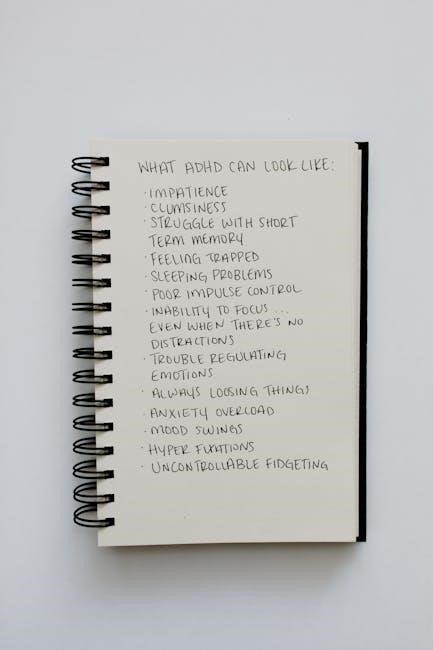
Understanding the core symptoms of ADHD – inattention‚ hyperactivity‚ and impulsivity – is the first step․ A treatment plan then translates this understanding into measurable goals‚ fostering improved behavior‚ academic performance‚ and social skills․ The initial interview process‚ as emphasized by the ADD Resource Center‚ is vital for identifying valued outcomes․
The Importance of Individualized Goals and Objectives
ADHD manifests uniquely in each individual; therefore‚ a “one-size-fits-all” treatment plan is ineffective․ Treatment plan goals and objectives‚ often detailed in PDF worksheets‚ must be tailored to the specific needs‚ strengths‚ and challenges of the client․ This personalization is key to engagement and progress․
Generic goals lack the motivational power of objectives that resonate with the individual and their family․ Printable PDF bundles‚ like those available on Etsy‚ offer a wide range of examples‚ but adaptation is crucial․ The ADD Resource Center highlights the importance of understanding what patients value most․
Individualized objectives also facilitate clearer communication between therapists‚ educators‚ and caregivers․ A well-crafted PDF plan serves as a shared roadmap‚ ensuring everyone works towards the same‚ meaningful outcomes for the ADHD client․
Utilizing PDF Resources for Treatment Planning
PDF resources significantly streamline ADHD treatment planning‚ offering structured frameworks for setting realistic goals and tracking progress․ Tools like the “Treatment Plan Goals and Objectives Printable PDF Bundle” from Creative Therapy Ideas provide hundreds of examples‚ organized by various treatment areas․
These PDFs aren’t merely templates; they facilitate a collaborative process․ Therapists can use them to document individualized objectives‚ share plans with caregivers and educators‚ and monitor outcomes effectively․ DocHub allows for easy editing and online sharing of PDF forms․
Furthermore‚ PDF worksheets‚ such as those designed for ADHD clients‚ enhance communication and overall treatment outcomes․ Utilizing these resources ensures a consistent and organized approach to managing ADHD symptoms․
II․ Core Treatment Areas & Goals
ADHD treatment plans‚ often documented via PDFs‚ center on behavioral management‚ academic success‚ and social skills development‚ fostering positive outcomes for individuals․
Behavioral Management Goals
Behavioral management goals‚ frequently outlined in ADHD treatment plan PDFs‚ aim to reduce impulsive behaviors and decrease hyperactivity levels‚ creating a more regulated environment․
These plans emphasize enhancing task completion skills‚ promoting sustained attention‚ and improving focus – crucial for both children and adults navigating ADHD challenges․
A structured framework‚ like those offered in downloadable worksheets‚ assists therapists in setting realistic‚ achievable objectives‚ improving communication‚ and boosting overall treatment effectiveness․
Successfully managing ADHD requires ongoing collaboration between families‚ schools‚ and caregivers‚ ensuring consistent implementation of behavioral strategies and monitoring progress․
Target outcomes‚ initially around three‚ should reflect the patient’s and family’s values‚ guiding the intervention and fostering positive behavioral changes over time․
Academic/Educational Goals
Academic/Educational goals‚ detailed in ADHD treatment plan PDFs‚ center on improving organizational skills and enhancing time management abilities for students with ADHD․
These plans often include objectives to increase academic performance‚ fostering a more positive learning experience and reducing frustration related to schoolwork․
A key component is fostering self-advocacy in educational settings‚ empowering students to communicate their needs and request appropriate accommodations․
Utilizing structured frameworks‚ like printable worksheets‚ helps therapists and educators collaborate effectively‚ setting realistic goals and tracking student progress․
Successful academic interventions require consistent monitoring and adjustments‚ ensuring the plan remains tailored to the individual student’s evolving needs and learning style․
Social Skills Development Goals
Social skills development goals‚ frequently outlined in ADHD treatment plan PDFs‚ prioritize improving communication skills and fostering healthier interpersonal relationships․
Objectives often focus on developing empathy and social awareness‚ enabling individuals with ADHD to better understand and respond to social cues․
Treatment plans aim to help individuals manage social interactions appropriately‚ reducing impulsive behaviors that can hinder positive connections․
These goals are crucial for building self-esteem and reducing feelings of social isolation‚ common challenges for those with ADHD․
Comprehensive plans emphasize practical strategies and role-playing exercises to enhance social competence and navigate complex social situations effectively․
III․ Specific Treatment Objectives – Behavioral Focus
ADHD treatment plan PDFs detail objectives like reducing impulsivity‚ improving attention‚ decreasing hyperactivity‚ and enhancing task completion for behavioral improvements․
Reducing Impulsive Behaviors
Treatment plan goals and objectives for ADHD‚ often documented in PDF formats‚ frequently prioritize reducing impulsive behaviors as a core component of behavioral intervention․ These plans aim to help individuals develop strategies to think before acting‚ minimizing rash decisions and disruptive outbursts․
Specific objectives might include increasing the use of coping mechanisms when feeling overwhelmed‚ practicing delayed gratification techniques‚ and learning to identify triggers that lead to impulsive actions․ PDF worksheets can aid in tracking impulsive incidents and identifying patterns․
Successful implementation involves consistent reinforcement of desired behaviors and providing a supportive environment where individuals feel safe to practice self-control․ The focus is on building self-awareness and equipping individuals with the tools to manage their impulses effectively‚ ultimately improving their social interactions and overall functioning․
Improving Attention Span & Focus
Treatment plan goals and objectives for ADHD‚ frequently outlined in PDF documents‚ consistently address improving attention span and focus as a primary intervention target․ These plans aim to enhance an individual’s ability to sustain concentration on tasks‚ resist distractions‚ and maintain mental effort over time․
Objectives may include breaking down tasks into smaller‚ manageable steps‚ utilizing organizational tools to minimize clutter‚ and implementing strategies like the Pomodoro Technique to promote focused work intervals․ PDF resources often provide printable checklists and timers․
Progress is monitored through observation‚ self-reporting‚ and potentially‚ academic performance․ The goal is to build sustained attention gradually‚ fostering a sense of accomplishment and increasing the individual’s capacity for productive engagement․
Decreasing Hyperactivity Levels
Treatment plan goals and objectives for ADHD‚ often detailed in PDF formats‚ frequently prioritize decreasing hyperactivity levels to improve daily functioning and overall well-being․ These plans focus on channeling excess energy into more appropriate and constructive activities․
Objectives may involve incorporating regular physical exercise‚ implementing structured breaks during tasks‚ and teaching self-regulation techniques like deep breathing or mindfulness․ PDF worksheets can aid in tracking activity levels and identifying triggers․
Success is measured by observing a reduction in fidgeting‚ impulsivity‚ and excessive talking․ The aim is to help individuals develop greater self-control and manage their energy levels effectively‚ leading to calmer and more focused behavior․

Enhancing Task Completion Skills
Treatment plan goals and objectives for ADHD‚ frequently documented in PDF resources‚ often center on improving task completion‚ a common challenge for individuals with this condition․ These plans break down larger tasks into smaller‚ more manageable steps to reduce feelings of overwhelm․
Objectives include utilizing checklists‚ setting realistic deadlines‚ and establishing a structured work environment․ PDF templates can provide pre-made checklists and organizational tools to support this process․
Progress is measured by an increase in completed assignments and a decrease in procrastination․ The goal is to foster a sense of accomplishment and build confidence in one’s ability to follow through on commitments‚ ultimately improving overall productivity․

IV․ Specific Treatment Objectives – Academic/Educational Focus
Treatment plan goals and objectives for ADHD‚ often in PDF format‚ prioritize improving organizational skills‚ time management‚ and academic performance within educational settings․
These plans foster self-advocacy‚ empowering students to communicate their needs effectively․
Improving Organizational Skills
Treatment plan goals and objectives for ADHD‚ frequently documented in PDF formats‚ often center on bolstering organizational skills as a core academic support․ This involves establishing structured systems for managing school materials‚ assignments‚ and long-term projects․
Specific objectives might include consistently using a planner to record assignments‚ maintaining a designated homework space free from distractions‚ and implementing a color-coding system for subjects․
The aim is to reduce feelings of being overwhelmed and improve efficiency․ Progress is tracked by monitoring the consistent use of these systems and observing a decrease in lost or forgotten materials․ Resources often suggest breaking down larger tasks into smaller‚ manageable steps to facilitate completion․ Successful implementation requires collaboration between educators‚ parents‚ and the student‚ ensuring a supportive and consistent approach․
Enhancing Time Management Abilities
Treatment plan goals and objectives for ADHD‚ often detailed in PDF documents‚ frequently prioritize enhancing time management skills to address challenges with focus and task completion․ Objectives focus on teaching strategies to estimate task duration and allocate sufficient time for each activity․
Specific goals might include utilizing timers to maintain focus during work periods‚ breaking down assignments into smaller‚ timed segments‚ and prioritizing tasks based on importance and deadlines․
Monitoring progress involves tracking adherence to schedules and observing a reduction in procrastination․ Printable resources and worksheets can aid in visualizing time commitments․ Successful implementation requires consistent practice and positive reinforcement‚ fostering a sense of control and accomplishment․ Collaboration with educators and parents is vital for establishing routines and providing support․
Increasing Academic Performance
Treatment plan goals and objectives for ADHD‚ frequently outlined in PDF formats‚ often center on improving academic outcomes by addressing core deficits impacting learning․ Objectives include establishing consistent study habits and creating a structured learning environment‚ minimizing distractions․
Specific goals might involve completing assignments on time‚ improving test scores through effective study techniques‚ and actively participating in class․ Utilizing organizational tools‚ like planners and checklists‚ is also key․
Progress is monitored through grades‚ assignment completion rates‚ and teacher feedback․ PDF worksheets can track these metrics․ Fostering self-advocacy skills‚ enabling students to request accommodations‚ is crucial․ Collaboration between therapists‚ educators‚ and parents ensures a supportive and consistent approach․
Fostering Self-Advocacy in Educational Settings
Treatment plan goals and objectives for ADHD‚ often detailed in PDF resources‚ emphasize empowering students to become proactive in their education․ A core objective is teaching children to understand their learning needs and communicate them effectively to teachers and school staff․
Goals include practicing requesting accommodations‚ such as extended time or preferential seating‚ and confidently asking for clarification when needed․ Role-playing scenarios can build these skills․
PDF worksheets can help track progress in self-advocacy attempts and identify areas for improvement․ Success is measured by the student’s willingness and ability to independently seek support․ This fosters independence and reduces reliance on others‚ promoting a sense of ownership over their learning journey․

V․ Specific Treatment Objectives – Social Skills Focus
Treatment plan goals and objectives for ADHD‚ found in PDF guides‚ prioritize improving communication skills‚ empathy‚ and social awareness for healthier interactions․
Improving Communication Skills
Treatment plan goals and objectives for ADHD‚ often detailed in PDF formats‚ frequently emphasize enhancing communication abilities as a core component of social skills development․ These objectives aim to help individuals with ADHD express themselves more clearly and effectively‚ fostering better understanding in interpersonal interactions․
Specific objectives might include learning to actively listen‚ maintaining appropriate eye contact‚ and using respectful language․ A key focus is often on reducing impulsive verbalizations and improving the ability to articulate thoughts and feelings in a concise and organized manner․ Resources highlight that improved communication directly contributes to building healthier relationships;
PDF worksheets and templates can provide structured exercises to practice these skills‚ such as role-playing scenarios and communication checklists․ The goal is to equip individuals with the tools necessary to navigate social situations with greater confidence and success‚ ultimately improving their overall quality of life․
Developing Empathy and Social Awareness
Treatment plan goals and objectives for ADHD‚ frequently documented in PDF resources‚ often prioritize cultivating empathy and social awareness․ These objectives recognize that individuals with ADHD may struggle with understanding and responding to the emotional cues of others‚ impacting social interactions․
Specific goals might involve learning to recognize facial expressions and body language‚ understanding different perspectives‚ and considering the feelings of others before acting․ A key component is developing the ability to anticipate how one’s actions might affect those around them․ Resources emphasize fostering healthier interactions through increased social understanding․
PDF worksheets and exercises can facilitate this development‚ such as scenario-based discussions and perspective-taking activities․ The aim is to enhance social intelligence‚ enabling individuals to build stronger‚ more meaningful relationships and navigate social situations with greater sensitivity and success․
Building Healthier Interpersonal Relationships
Treatment plan goals and objectives for ADHD‚ often detailed in PDF formats‚ frequently address the challenges individuals face in forming and maintaining healthy relationships․ These plans recognize that ADHD symptoms can impact social skills and lead to interpersonal difficulties․
Objectives may focus on improving communication skills‚ learning to manage conflict constructively‚ and establishing clear boundaries․ A core goal is fostering reciprocal relationships built on mutual respect and understanding․ Resources highlight the importance of addressing impulsive behaviors that can strain interactions․
PDF resources can provide structured exercises for practicing assertive communication and active listening․ The aim is to equip individuals with the tools to navigate social dynamics effectively‚ build trust‚ and cultivate lasting‚ supportive connections․ Ultimately‚ these goals promote improved social functioning and overall well-being․
Managing Social Interactions Appropriately
Treatment plan goals and objectives for ADHD‚ frequently documented in PDF formats‚ often prioritize teaching appropriate social interaction skills․ These plans acknowledge that individuals with ADHD may struggle with social cues‚ impulsivity‚ and emotional regulation during interactions․
Objectives may include learning to recognize and respond to nonverbal communication‚ taking turns in conversations‚ and respecting personal space․ A key focus is reducing disruptive behaviors that can hinder positive social exchanges․ PDF resources can offer role-playing scenarios to practice these skills․
The goal is to help individuals navigate social situations with greater confidence and sensitivity‚ minimizing misunderstandings and fostering positive relationships․ These plans emphasize developing self-awareness and strategies for managing impulsive reactions‚ leading to more successful and fulfilling social experiences․

VI․ Professional Development & Adult ADHD
Treatment plan goals and objectives for ADHD‚ often in PDF form‚ address workplace challenges‚ focusing on performance improvement and achieving career aspirations for adults;
Plans target areas where ADHD impacts professional life‚ aiding goal setting and skill development for sustained success․
Workplace Performance Improvement
Workplace performance improvement‚ as outlined in treatment plan goals and objectives for ADHD – frequently available as PDF resources – centers on mitigating challenges specific to adult ADHD․
Objectives often include enhancing focus during tasks‚ minimizing distractions‚ and improving time management skills to meet deadlines effectively; A key goal is to increase task completion rates‚ reducing instances of projects left unfinished due to attentional difficulties․
Furthermore‚ plans may incorporate strategies for better organization of work materials‚ both physical and digital‚ to streamline workflows․ Developing effective communication skills is also vital‚ ensuring clear and concise interactions with colleagues and supervisors․ These PDF-guided objectives aim to foster a more productive and fulfilling professional life for individuals with ADHD․
Career Goal Setting and Achievement
Career goal setting and achievement‚ addressed within treatment plan goals and objectives for ADHD – often documented in PDF formats – focuses on leveraging strengths while addressing areas needing support․
Objectives frequently involve identifying career paths aligned with individual interests and abilities‚ acknowledging potential challenges related to sustained attention or impulsivity․ Plans may include strategies for breaking down large career goals into smaller‚ manageable steps‚ fostering a sense of accomplishment․
Developing self-advocacy skills is crucial‚ enabling individuals to request necessary accommodations in the workplace․ PDF resources can guide the process of building a professional network and seeking mentorship․ Ultimately‚ these objectives aim to empower individuals with ADHD to pursue fulfilling and successful careers․

VII․ Monitoring Progress & Plan Adjustments
Treatment plan goals and objectives for ADHD‚ often tracked via PDF worksheets‚ require regular evaluation and collaborative adjustments with caregivers and educators․
Regular Evaluation of Objectives
Regularly evaluating objectives within a treatment plan goals and objectives for ADHD framework is paramount for ensuring continued effectiveness․ This process isn’t a one-time event‚ but rather an ongoing assessment of progress toward established targets․ Utilizing PDF-based tracking tools and worksheets‚ as suggested by various resources‚ facilitates consistent monitoring of behavioral‚ academic‚ and social skill goals․
The evaluation should involve a review of documented observations‚ feedback from caregivers and educators‚ and potentially self-reporting from the individual with ADHD․ This data informs whether objectives are being met‚ require modification‚ or need to be replaced with more appropriate goals․ Consistent monitoring allows for timely adjustments‚ maximizing the potential for positive outcomes and sustained improvement․
Furthermore‚ the frequency of evaluation should be determined collaboratively‚ considering the individual’s needs and the complexity of the objectives outlined in the ADHD treatment plan․
Collaboration with Caregivers and Educators
Successful ADHD treatment plan goals and objectives‚ often documented in PDF formats‚ heavily rely on strong collaboration with caregivers and educators․ ADHD management isn’t isolated; it requires a unified approach across all environments – home and school․ Consistent communication ensures everyone is aligned with the established goals and strategies․
Caregivers provide invaluable insights into behaviors observed outside of therapeutic settings‚ while educators offer perspectives on academic performance and social interactions within the classroom․ Sharing observations and progress updates‚ potentially through shared PDF reports‚ fosters a cohesive support system․
This collaborative effort allows for consistent reinforcement of skills and strategies‚ maximizing the individual’s potential for success․ Regular meetings and open communication channels are essential for addressing challenges and adapting the treatment plan as needed․
Utilizing Worksheets & Printable PDFs for Tracking

Treatment plan goals and objectives for ADHD benefit significantly from consistent monitoring‚ and worksheets & printable PDFs offer a practical solution for tracking progress․ These resources provide a structured format to document observations‚ record data‚ and evaluate the effectiveness of interventions․
PDF templates‚ like those available from Creative Therapy Ideas‚ can be used to monitor specific behaviors‚ academic performance‚ or social skills development․ Regularly completed worksheets offer tangible evidence of improvement – or areas needing adjustment․
This data-driven approach allows therapists‚ caregivers‚ and educators to collaboratively assess the treatment plan’s efficacy and make informed decisions․ Utilizing these tools promotes accountability and empowers individuals to actively participate in their own progress․

VIII․ Resources & Tools
Treatment plan goals and objectives for ADHD PDF templates are accessible via Etsy (Creative Therapy Ideas) and DocHub‚ aiding in streamlined planning and documentation․
Accessing ADHD Treatment Plan PDF Templates
Finding readily available ADHD treatment plan PDF templates is now easier than ever‚ offering therapists and caregivers a structured starting point for individualized interventions․ Resources like Creative Therapy Ideas on Etsy provide comprehensive‚ downloadable bundles containing hundreds of examples organized by various treatment issues‚ including specifically ADHD․
These bundles often include pre-formatted goal suggestions and objective statements‚ saving valuable time in the planning process․ DocHub also offers online access to sample treatment plan goals and objectives PDF forms‚ allowing for easy editing‚ signing‚ and sharing․
Furthermore‚ many online platforms offer customizable goal-setting and tracking tools that can be exported as PDF documents‚ facilitating seamless integration into existing workflows․ Utilizing these resources ensures a consistent and organized approach to ADHD treatment planning․
Online Platforms for Goal Setting & Tracking
Leveraging online platforms significantly streamlines the process of setting and tracking ADHD treatment goals‚ often allowing for exportable PDF reports․ While specific platforms weren’t directly mentioned‚ the availability of downloadable PDF templates (like those from Creative Therapy Ideas) suggests compatibility with various digital systems․
These platforms typically offer features like customizable goal libraries‚ progress monitoring tools‚ and collaborative spaces for therapists‚ patients‚ and caregivers․ The ability to generate reports in PDF format ensures easy documentation and sharing with relevant parties․
Effectively‚ these tools complement ADHD treatment plan PDF resources‚ providing a dynamic and interactive element to the planning and evaluation process‚ ultimately enhancing treatment outcomes․