Oate Duvet Cover Washing Guidelines
Follow these steps: wash at 30–40°C, use a mild detergent, and avoid bleach. Pre‑treat oil stains with cornstarch, blot gently, then wash. For water stains, apply a small amount of liquid soap before rinsing. Dry on low heat, iron on low setting. Wash every 2–3 weeks to keep fabric fresh. Enjoy!
Understanding Fabric Composition and Care Levels
Oate duvet covers are typically made from a blend of cotton, polyester, and sometimes a touch of bamboo or modal for softness. The cotton component offers breathability and moisture‑wicking properties, while polyester adds durability and wrinkle resistance. Because of this mix, the cover falls into a moderate care level: it can handle a standard wash cycle but should avoid harsh chemicals that can degrade the natural fibers. When selecting a detergent, choose a mild, fragrance‑free formula to protect the fibers and reduce skin irritation. Avoid bleach or fabric softeners, as they can break down the natural fibers over time. If you notice any discoloration or stiffness after washing, rinse the cover again with cool water and let it air‑dry to restore its original softness.
- Cotton: absorbs water well; keep temperature below 40°C to prevent shrinkage.
- Polyester: resists shrinking but can trap heat; use a gentle cycle.
- Bamboo/Modal: sensitive to high heat; dry on low or air‑dry.
Careful handling during washing preserves the fabric’s integrity. Gently turn the cover inside out before placing it in the machine, and avoid overcrowding the drum to allow water to circulate fully. After the cycle, shake out excess moisture and lay flat to dry, preventing creases that could compromise the cover’s smooth feel. Finally, store it in a breathable cotton bag to keep it fresh!
Interpreting Care Labels for Oate Covers
Care labels on Oate duvet covers provide essential guidance for maintaining fabric quality. The symbols indicate washing temperature, recommended cycle, and drying method. A small circle with a number (e.g., 30°C) means the cover can be washed at that temperature. A triangle with a line denotes no hot water; a triangle without a line allows hot water up to 60°C. A square with a line indicates a tumble dry setting, while a square without a line means air‑dry only. A water droplet with a line signals a gentle cycle; without a line, a normal cycle is acceptable. For delicate blends, the label may also include a “hand wash” icon, suggesting a gentle hand wash in cool water with mild detergent. Avoid bleach symbols, as they can damage the fibers. If the label shows a “no iron” icon, use a low heat setting or steam to remove wrinkles. Always follow the manufacturer’s instructions to preserve softness and prevent shrinkage.
- Washing: use cool or lukewarm water (≤40°C) and a gentle cycle.
- Drying: tumble dry on low or air‑dry flat.
- Ironing: low heat, steam if needed.
When the label includes a “wash only” symbol, do not use a dryer. A “dry only” symbol means no washing. A “dry clean only” indicates professional cleaning. The presence of a “no folding” icon suggests the cover should be hung to dry. Understanding these symbols helps prevent damage and extends the cover’s life.
Color codes on the label can indicate the recommended washing temperature for each color segment. Light colors may tolerate higher temperatures, while dark colors should be washed in cold water to avoid fading. If the label lists “color‑safe bleach,” you may add a small amount of non‑chlorine bleach to brighten whites. Always test a hidden area first to ensure colorfastness.
When in doubt, consult the manufacturer’s online support or customer service. Many Oate covers come with QR codes that link to video tutorials on washing and maintenance. These resources can clarify ambiguous symbols and provide step‑by‑step instructions tailored to your specific cover model.
By mastering the symbols and following the guidelines, you can keep your Oate duvet cover looking fresh, soft, and hygienic for years.

Remember to always read the label before washing, as neglecting these instructions can lead to shrinkage, loss of softness, or even fabric damage.
This guide ensures your duvet cover stays pristine and comfortable through proper washing, drying, and storage practices.
Optimal Washing Temperature Settings
Wash Oate covers at 30–40 °C using a gentle cycle. Avoid hot water to prevent shrinkage. For cotton, 40 °C is safe; silk and linen should stay below 30 °C. Use cool rinse to lock in softness and color. Follow label for precise limits. Keep the cover dry storage to avoid mildew. Keep fresh. Stay
When caring for Oate duvet covers, temperature selection is critical. Cotton fabrics tolerate 30–40 °C, ensuring efficient detergent action while preserving fiber integrity. Silk, delicate and prone to heat damage, should be washed no higher than 30 °C, preferably in a gentle cycle with a silk‑specific detergent. Linen performs best at 30 °C; higher temperatures can cause shrinkage and loss of natural crispness. Always consult the care label; if it indicates “machine wash cold,” use 20 °C to protect color fastness. For all three materials, a 30 °C rinse helps remove residual soap, preventing stiffness. Avoid hot water (above 50 °C) as it accelerates wear, weakens threads, and may cause color bleeding. When using a dryer, select low heat or air‑dry to maintain shape and softness. If you must dry at higher temperatures, limit exposure to 40 °C for no more than 10 minutes. These guidelines help extend fabric life, keep textures supple, and maintain the luxurious feel of Oate duvet covers over time. In addition, pre‑wash the cover in a cold rinse to loosen embedded dirt before the main wash cycle. Treat heavy stains with a pre‑wash solution. Use a mild, fragrance‑free detergent to avoid skin irritation. After washing, lay the cover flat on a clean towel to air‑dry, flipping occasionally for even drying. This preserves the weave and prevents uneven shrinkage. For machine drying, set the dryer on a delicate or low‑heat setting, removing the cover promptly once drying is complete to avoid over‑drying. Store the cover in a bag when not in use to protect against dust.
Impact of Hot vs Cold Washes on Fabric Longevity
Hot washes (above 50 °C) accelerate fiber fatigue, cause shrinkage, and can strip dyes from cotton, silk, and linen Oate duvet covers. The heat opens the weave, allowing detergents to act more aggressively, but it also weakens inter‑fiber bonds, leading to a faster loss of softness and structural integrity. Cold washes (≤30 °C) preserve the natural elasticity of the fibers, reduce energy consumption, and maintain color fastness. They are gentler on silk, preventing the protein strands from unraveling, and they keep linen’s crispness by avoiding excessive moisture that can lead to mildew. For cotton, a moderate 30–40 °C wash is a safe compromise: it removes grime effectively while limiting the thermal stress that can cause pilling. When a cover has visible stains, a brief hot pre‑wash can help break down oil‑based residues, but this should be followed by a cold rinse to lock in the fabric’s integrity. In practice, many Oate owners choose a two‑stage cycle: a hot pre‑wash for heavy soiling, then a cold main wash with a mild, fragrance‑free detergent. This strategy maximizes cleanliness without sacrificing longevity. Energy‑efficient washing also benefits the environment, and the reduced heat usage cuts utility costs. Ultimately, the choice between hot and cold depends on the level of soiling and the specific fiber type, but for most routine cleaning, a cold or moderate temperature cycle is the best practice for preserving the life of Oate duvet covers. A quick cold rinse after a hot wash neutralizes detergent and helps re‑tighten fibers, extending the cover’s durability.
Choosing the Right Detergent
Use a mild, fragrance‑free detergent that’s free of optical brighteners and chlorine bleach. For sensitive skin, choose an eco‑friendly, hypoallergenic formula; Measure 1–2 teaspoons per load to avoid residue, and rinse thoroughly to keep the Oate cover soft and breathable.Minimize residue.OK.
Eco-Friendly Detergents for Sensitive Skin
When washing Oate duvet covers, use a mild, fragrance‑free detergent. Choose eco‑friendly brands certified by EWG or NPA. Pre‑treat stains with a small amount of detergent, let sit 5 minutes, then wash in cold water at 30°C. Rinse thoroughly to avoid residue that can irritate skin. Low‑heat drying preserves fabric softness. Use a gentle cycle and avoid overloading the machine. After washing, check for any remaining stains and repeat pre‑treat if necessary. Store the cover in a dry, ventilated area to prevent mildew. Always rinse twice daily.
Pre‑treat visible stains with a small amount of eco‑friendly detergent, let sit 5–10 min. Wash at 30°C in cold water, rinse well. Cold water keeps fabric integrity and reduces allergic risk. After washing, rinse again to remove residue. Air‑dry or low‑heat dry to maintain softness. If the cover is heavily soiled, consider a pre‑wash soak in a mild enzyme solution for 30 minutes before the main wash. After drying, lightly steam to remove any wrinkles without high heat.
Add a natural softener like lavender oil or white vinegar to the rinse. This neutralizes detergent residue and adds a gentle scent. Perform a patch test on a small area before full use. Follow these steps to keep your Oate cover clean, fresh, and skin‑friendly; If using essential oils, dilute to 1–2 drops per load to avoid skin irritation. Store the cover in a breathable cotton bag to keep it fresh between washes.
Detergent Dosage and Avoiding Residue Build‑up
For optimal cleaning, measure detergent according to load size and soil level. A general rule is 1–2 tablespoons (15–30 ml) for a standard 7‑kg load, but check the detergent’s label for specific instructions; Heavy‑soil or high‑protein stains may require a double dose, yet avoid excess to prevent film on fabric.
Use a rinse cycle with an extra water rinse if the detergent is known to leave residue. A rinse booster such as a cup of white vinegar (240 ml) can help dissolve detergent film. After the final rinse, shake the cover to release trapped water and lay flat to dry. Avoid high heat, which can shrink or damage delicate fibers.
If your cover has a removable pillowcase, wash it separately to avoid cross‑contamination. Use a gentle cycle and a mild detergent. After washing, inspect for any lingering residue by running a small patch through a damp cloth; if it remains tacky, repeat the rinse cycle. Store the cover in a dry, breathable container to keep it fresh between washes.
When drying, avoid direct sunlight which can fade colors. Instead, hang the cover on a sturdy line or lay it flat on a clean towel. If you prefer machine drying, use the lowest heat setting and remove the cover promptly to prevent wrinkles. Finally, store the clean cover in a cool, dry place, preferably in a breathable cotton bag to maintain its softness and prevent dust accumulation.
Follow these steps for a clean duvet coverkeep it fresh.
Stain Removal Techniques
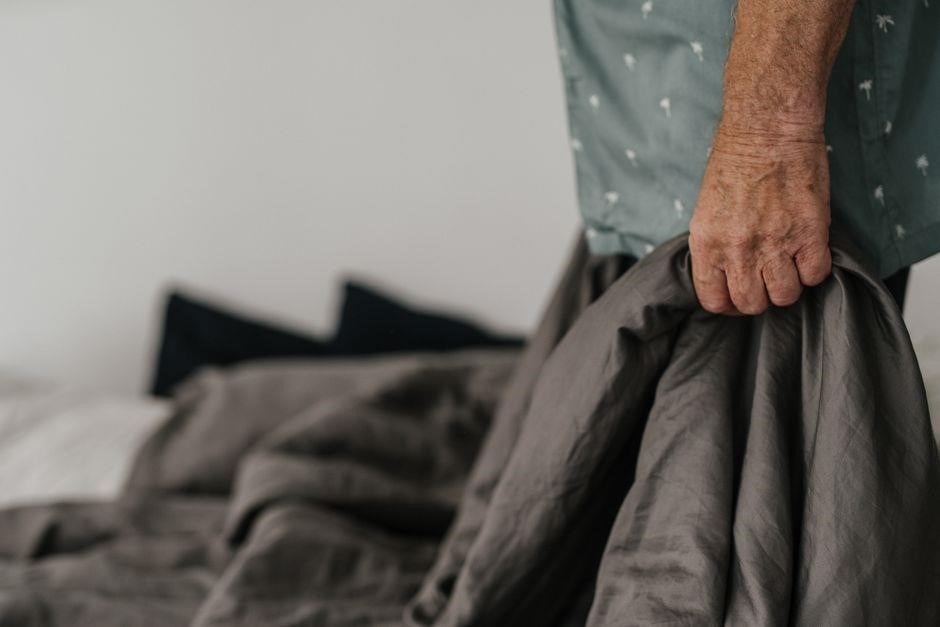
For quick action, blot spills with a damp cloth. Oil stains: sprinkle cornstarch, let sit 10 min, then brush off before washing. Water‑based stains: apply a mild liquid soap, gently rub, rinse, then launder at recommended temperature. Rinse well to avoid film fast!
Pre‑treating Oil-Based Stains
When an oil‑based spill lands on your Oate duvet cover, the first step is to act swiftly. Gently blot the affected area with a clean, damp cloth to lift excess grease without pushing it deeper into the fibers. Next, apply a generous dusting of cornstarch or baking soda directly onto the stain; these powders are excellent at absorbing residual oil. Allow the powder to sit for about ten minutes, giving it time to draw the grease out of the fabric. After the waiting period, carefully brush or shake the cover to remove the powder, ensuring no residue remains. If the stain persists, repeat the cornstarch treatment until the oil is noticeably reduced. Once the pre‑treatment is complete, proceed with your regular wash cycle at the recommended temperature for the cover’s material—typically 30–40 °C for cotton or linen. Use a mild, eco‑friendly detergent, and avoid bleach or harsh chemicals that could damage the fibers or color. After washing, inspect the area; if any trace of oil remains, repeat the pre‑treatment before drying. Dry the cover on a low‑heat setting or air‑dry to prevent shrinkage and preserve the integrity of the fabric. By following this systematic approach, you can effectively neutralize oil stains while maintaining the softness and longevity of your Oate duvet cover. If the stain persists, repeat the cornstarch step before washing again. Test any cleaner on a discreet spot first to ensure no damage. Always follow the duvet cover’s care label for best results.
Handling Water‑Based Stains and Spills
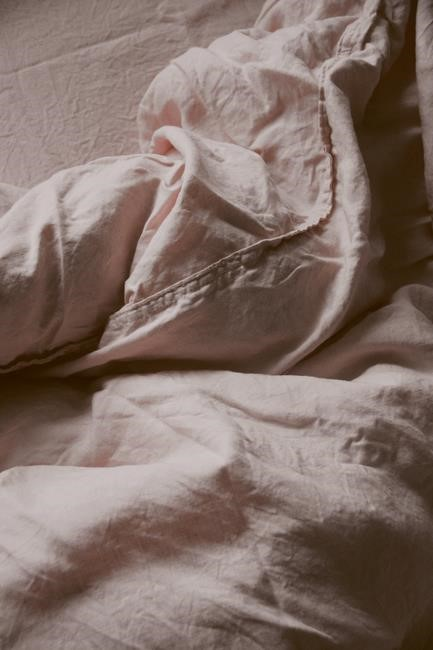
When a liquid spill—be it juice, coffee, or wine—lands on your Oate duvet cover, the key is to act immediately and follow a structured approach. First, blot the stain with a clean, damp cloth, pressing gently to lift excess liquid without spreading it further. Avoid rubbing, as this can embed the stain deeper into the fibers. Once the bulk of the liquid is absorbed, apply a small amount of liquid dish soap or a gentle laundry pre‑treatment directly to the affected area. Let it sit for 5–10 minutes to break down the stain’s components. After the waiting period, rinse the spot with cool water, then repeat blotting to remove loosened residue. If the stain is stubborn, use a mild, eco‑friendly detergent in a short pre‑wash cycle before the main wash. For color‑fast fabrics, test the detergent on a hidden corner first to ensure no discoloration. After washing, inspect the area; if any discoloration remains, repeat the pre‑treatment. Dry the cover on a low‑heat setting or air‑dry away from direct sunlight to prevent shrinkage and preserve the fabric’s softness. Always follow the care label’s temperature guidelines, typically 30–40 °C for cotton or linen. By combining prompt blotting, gentle soap application, and a short pre‑wash, you can effectively neutralize water‑based stains while keeping your Oate duvet cover looking fresh and clean. If you notice any lingering discoloration or residue, gently blot with a clean towel before allowing the cover to dry completely, ensuring a pristine finish.
Drying and Ironing Recommendations
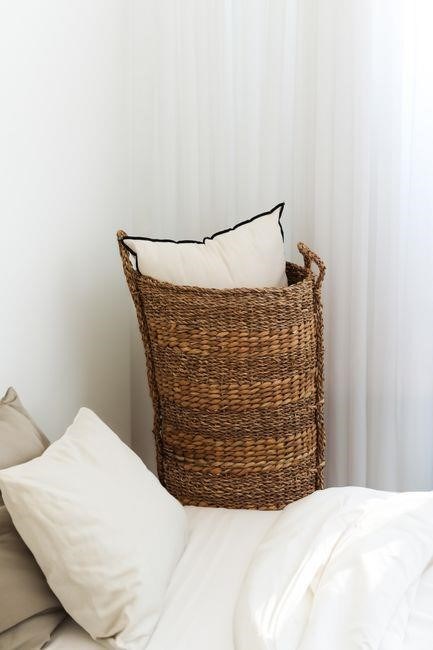
Dry Oate covers on low heat or air‑dry; Avoid high temperatures that shrink or damage fibers. When ironing, set to the lowest setting suitable for the fabric, use a pressing cloth, and iron on the reverse side to prevent shine. Steam lightly to remove wrinkles without excess moisture. Keep soft now.
Low‑Heat Drying and Gentle Ironing Practices
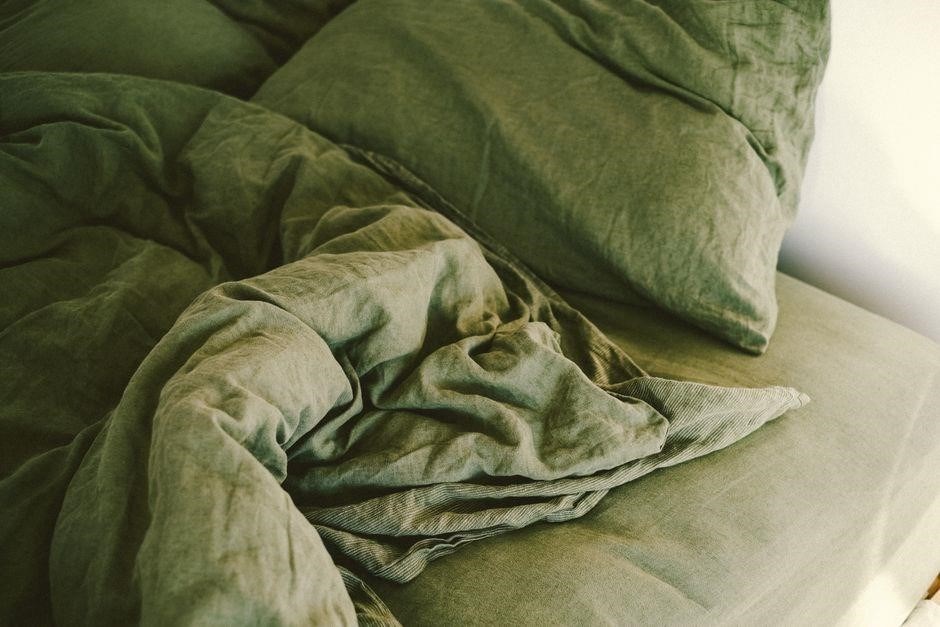
When you finish washing an Oate duvet cover, remove excess water by gently twisting—do not wring. Lay flat on a towel, roll to absorb moisture, then hang on a rack. If using a dryer, choose the lowest heat (30–40°C) or a fluff cycle. High heat shrinks fibers and causes yellowing. Keep the drum lightly loaded for even drying. After drying, fold loosely and store in a breathable cotton bag to avoid dust buildup. Keep the cover in a cool, dry place to maintain softness. Shake gentlycover to redistribute filling.
Once the cover is damp, iron it on the reverse side to avoid shine. Use the lowest iron setting appropriate for the fabric type: 30–40°C for cotton, 30°C for silk, and 40°C for linen. Place a thin cotton cloth between the iron and the cover to protect delicate fibers. Move the iron slowly, applying light pressure, and avoid leaving the iron stationary for more than a few seconds. For stubborn wrinkles, use a spray bottle to mist the fabric lightly before ironing.
After ironing, hang the cover immediately to prevent new creases from forming. Store it in a breathable cotton bag or a clean linen box to keep dust out while allowing air circulation. Regularly rotating the cover’s position in the closet helps maintain its shape. By following these low‑heat drying and gentle ironing steps, you’ll extend the life of your Oate duvet cover and keep it looking fresh for years. Keep it in a cool, dry spot to preserve softness.