Before and After Manual Psoas Release: A Comprehensive Guide
Understanding the transformative potential of psoas release is key․ This guide explores the muscle’s impact, from initial tightness and discomfort to long-term postural and emotional wellbeing․
The psoas, connecting spine to pelvis, profoundly influences movement and stability․ Addressing imbalances can unlock improved function and alleviate chronic pain patterns․
Release techniques, both internal and external, aim to restore optimal length and function․ Prepare for a journey of physical and potentially emotional realignment․

Understanding the Psoas Muscle
The psoas major, often called the “muscle of the soul,” is a core stabilizer and vital for movement․ Originating from the lumbar vertebrae and attaching to the femur, it’s a long, fusiform muscle deeply situated within the body․ Its primary function is hip flexion, bringing the thigh towards the torso, but it also plays a crucial role in spinal stabilization, posture, and even breathing․
Often overlooked, the psoas’s influence extends beyond the physical realm․ Due to its deep connection to the diaphragm and core, tension in the psoas can manifest as lower back pain, limited range of motion, and even contribute to emotional holding patterns․ It’s a key player in the body’s stress response, often tightening during times of fear or anxiety․
Understanding the psoas is the first step towards addressing imbalances․ Recognizing its anatomical location and multifaceted functions allows for a more holistic approach to pain management and overall wellbeing․ A healthy psoas supports efficient movement, proper posture, and a greater sense of embodied presence․
Psoas Anatomy and Function
The psoas major, working with the iliacus muscle to form the iliopsoas, originates from the lumbar vertebrae (T12-L5) and inserts on the lesser trochanter of the femur․ This deep core muscle is uniquely positioned, traversing the abdominal cavity and influencing pelvic stability․ Its fusiform shape allows for powerful hip flexion, essential for walking, running, and even standing․
Beyond hip flexion, the psoas contributes to lateral rotation of the thigh and lumbar spine stabilization․ It acts as a crucial link between the upper and lower body, impacting posture and balance․ A healthy psoas maintains the natural curvature of the spine and supports efficient movement patterns․
Its intimate connection to the diaphragm and pelvic floor further highlights its importance․ The psoas influences breathing mechanics and supports pelvic organ function․ Understanding this intricate anatomy is vital for addressing psoas-related dysfunction and optimizing overall bodily wellbeing․
What is Psoas Syndrome?
Psoas Syndrome, often overlooked and misdiagnosed, describes a condition stemming from irritation or dysfunction of the psoas muscle․ It’s not a single, clearly defined pathology, but rather a cluster of symptoms arising from psoas tightness, weakness, or spasm․ This can significantly diminish quality of life, impacting movement and causing persistent discomfort․
The syndrome manifests as pain in the lower back, groin, buttock, or even radiating down the leg – mimicking sciatica․ This pain is often exacerbated by activities like walking, climbing stairs, or prolonged sitting․ The psoas’s deep location makes diagnosis challenging, requiring a skilled practitioner to differentiate it from other conditions․
Contributing factors include overuse, trauma, postural imbalances, and even emotional stress․ Recognizing Psoas Syndrome requires considering the muscle’s central role in core stability and its connection to the nervous system․ Effective management necessitates a holistic approach;
Common Causes of Psoas Tightness
Prolonged sitting is a primary culprit in psoas tightness, shortening the muscle over time and limiting its natural range of motion․ This is especially prevalent in modern lifestyles involving desk work or extensive driving․ Lack of regular movement contributes significantly to this issue․
Athletic activity, particularly running and cycling, can also lead to psoas strain and tightness․ Repetitive hip flexion without adequate stretching creates imbalances․ Similarly, improper form during exercise exacerbates the problem․
Postural imbalances, such as anterior pelvic tilt, place constant stress on the psoas․ This tilt pulls the pelvis forward, forcing the psoas to work overtime to maintain stability․ Even emotional stress can manifest as tension in the psoas, due to its connection to the nervous system․
Symptoms of a Tight Psoas Muscle
Lower back pain is a hallmark symptom, often mistaken for other spinal issues․ A tight psoas pulls on the lumbar spine, creating discomfort and limiting mobility․ This pain can be chronic or intermittent, varying in intensity․
Hip flexor tightness restricts movement and causes discomfort during activities like walking or climbing stairs․ Individuals may experience a limited range of motion in the hips and a feeling of stiffness․ Groin pain is also frequently reported․
Postural changes, such as an exaggerated lumbar curve (lordosis) or a forward tilt of the pelvis, are common indicators․ These imbalances affect overall alignment and contribute to further discomfort․ Digestive issues and breathing difficulties can also arise due to the psoas’s influence on core stability and diaphragm function․

The Manual Psoas Release Process
Skilled practitioners utilize specific techniques to address psoas tension․ Sessions involve gentle, deep pressure to lengthen the muscle, restoring balance and improving overall body mechanics․
Both internal and external approaches exist, tailored to individual needs․ Qualified therapists assess and apply appropriate methods for optimal release and lasting relief․
What to Expect During a Release Session
Preparing for a manual psoas release involves open communication with your practitioner․ Discuss your medical history, current pain levels, and any concerns you may have․ The session typically begins with a thorough assessment of your posture, gait, and range of motion to identify areas of restriction․
You’ll likely lie comfortably on a massage table, often face down․ The practitioner will use slow, deliberate movements, applying gentle to moderate pressure to the psoas muscle․ Deep breathing is encouraged throughout the session to facilitate relaxation and release tension․
Internal release may involve gentle, specialized techniques, requiring your informed consent and comfort․ External release focuses on accessing the psoas through the lower back and hip area․ Expect sensations ranging from mild discomfort to a deeper release as the muscle lengthens․
Communication is vital; immediately inform your practitioner if you experience any sharp pain or excessive discomfort․ A typical session lasts between 60-90 minutes, and you may feel emotionally moved as the psoas holds onto stored tension․
Techniques Used in Manual Psoas Release
Manual Psoas Release employs a variety of techniques to address muscle tension and restore optimal function․ Myofascial release, a gentle yet effective method, focuses on releasing restrictions within the connective tissue surrounding the psoas․ Deep tissue massage applies sustained pressure to targeted areas, breaking down adhesions and knots․
Muscle energy techniques (MET) involve gentle contractions and stretches, encouraging the muscle to release and lengthen․ Strain-counterstrain utilizes passive positioning to reduce muscle guarding and pain․ For internal release, practitioners may employ specialized visceral manipulation techniques, requiring advanced training and patient comfort․
These techniques aim to lengthen the psoas, improve hip mobility, and alleviate lower back pain․ Practitioners often combine multiple approaches, tailoring the session to the individual’s needs and responses․
The goal is not simply to ‘loosen’ the muscle, but to restore its natural length, tone, and function, allowing for improved posture, movement patterns, and overall wellbeing․
Internal vs․ External Psoas Release
Psoas release techniques are broadly categorized as external or internal, differing in access and approach․ External release focuses on the muscle’s palpable portions, utilizing myofascial release and deep tissue massage applied through the abdominal and lower back regions․ This method is more commonly practiced and generally considered less invasive․
Internal release, however, involves accessing the psoas muscle directly through gentle manual techniques applied to the pelvic bowl and lower abdomen․ This requires specialized training and a high level of anatomical understanding․ It aims to address deeper restrictions and fascial connections․
Internal release is often preferred for chronic or complex cases, but it necessitates a skilled and experienced practitioner․ Both approaches aim to lengthen the psoas and restore optimal function, but differ in their method of access and intensity․
The choice between external and internal release depends on individual needs, practitioner expertise, and patient comfort levels․
Qualified Practitioners for Psoas Release
Seeking a qualified practitioner is paramount for safe and effective psoas release․ Not all bodywork professionals are trained in this specialized technique, particularly internal release․
Look for practitioners with specific certifications and advanced training in myofascial release, visceral manipulation, or somatic experiencing․ Physical therapists, chiropractors, and licensed massage therapists may offer psoas release, but verify their credentials․
Experienced practitioners possess a deep understanding of psoas anatomy, biomechanics, and potential emotional connections․ They will conduct a thorough assessment before treatment and tailor the approach to your individual needs․
Don’t hesitate to ask about their experience with psoas release specifically, and inquire about their approach to internal work if you’re considering that option․ Prioritize practitioners who prioritize patient comfort and informed consent․
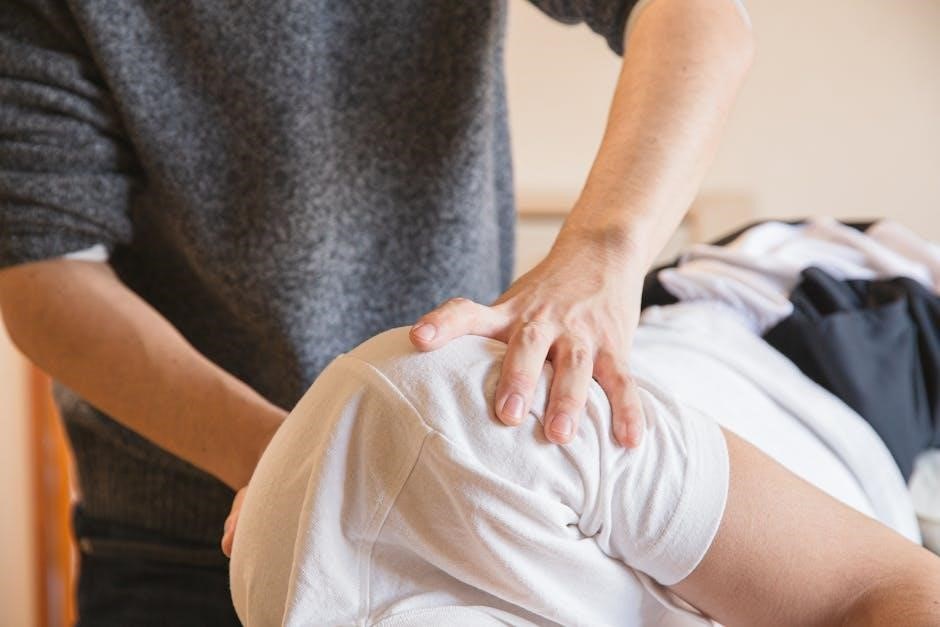
Immediate Effects After Release (The “After”)
Post-release, expect sensations ranging from relief to temporary discomfort․ Improved posture, increased hip mobility, and altered breathing are common initial responses to psoas work․
Initial Sensations and Potential Discomfort
Following a manual psoas release, the immediate experience varies significantly between individuals․ Some report a profound sense of relief, a lightness in the lower back and hips, and an immediate improvement in posture․ Others, however, may experience temporary discomfort, soreness, or even a wave of emotional release․
This discomfort isn’t necessarily negative; it often indicates the muscle is responding to the release of chronic tension․ It’s common to feel a deep ache, a twitching sensation, or a general feeling of “looseness” in the pelvic region․ These sensations typically subside within 24-72 hours with proper self-care․
The psoas’s deep connection to the nervous system means release can trigger emotional responses․ Stored trauma or stress can be held within the muscle fibers, and as tension is released, these emotions may surface․ This is a normal part of the process and should be approached with self-compassion and, if needed, professional support․ Hydration and gentle movement are crucial during this initial phase․
Improved Posture and Alignment
One of the most noticeable benefits of psoas release is a significant improvement in posture and overall body alignment․ A tight psoas often contributes to anterior pelvic tilt, causing an exaggerated curve in the lower back and a forward shift in the upper body․ Releasing this tension allows the pelvis to return to a more neutral position․
This realignment has a cascading effect throughout the entire musculoskeletal system․ Shoulders may relax and move back, the head often comes into better alignment over the spine, and the core muscles can engage more effectively․ Individuals frequently report feeling taller and more grounded․
Improved posture isn’t merely aesthetic; it directly impacts breathing mechanics and reduces strain on joints․ By restoring natural spinal curves, psoas release can alleviate chronic pain and improve functional movement patterns․ Maintaining this improved alignment requires conscious effort and continued self-care practices, including targeted stretches and strengthening exercises․
Increased Range of Motion in Hips and Legs
A tight psoas muscle directly restricts movement in the hips and legs, limiting flexibility and contributing to stiffness․ Before release, individuals often experience difficulty with activities like deep squats, lunges, or even simply lifting the knees high․ The psoas’s role in hip flexion means tightness severely impacts this fundamental movement․
Following a successful release, a noticeable increase in range of motion is commonly experienced․ Hips become freer, allowing for deeper and more comfortable movement․ Leg swings become easier, and individuals may find they can achieve a fuller range of motion in activities like running or cycling․
This improved mobility isn’t just about flexibility; it’s about restoring natural biomechanics․ Releasing the psoas allows for more efficient and pain-free movement patterns, reducing the risk of injury and enhancing athletic performance․ Consistent stretching and strengthening are vital to maintain this newfound freedom․
Changes in Breathing Patterns
The psoas muscle’s connection to the diaphragm and lower ribs often leads to restricted breathing patterns when it’s tight․ Before release, individuals may find themselves taking shallow breaths, relying heavily on chest breathing rather than deep, diaphragmatic breathing․ This can contribute to feelings of anxiety and tension․
Manual psoas release frequently results in a noticeable shift in breathing mechanics․ As the muscle lengthens and relaxes, the diaphragm gains more space to descend, facilitating fuller, deeper breaths․ Individuals often report an immediate sensation of increased ease and spaciousness in their chest and abdomen․
This improved breathing capacity isn’t merely a physical change; it has profound effects on the nervous system․ Deep, diaphragmatic breathing activates the parasympathetic nervous system, promoting relaxation and reducing stress․ Consciously focusing on breathwork post-release can amplify these benefits, fostering a sense of calm and wellbeing․
Long-Term Benefits and Considerations
Sustained release impacts posture, athletic ability, and emotional wellbeing․ Integration is vital; continued self-care and mindful movement support lasting positive changes post-treatment․
Addressing the root causes of tightness prevents recurrence․ Lifestyle adjustments and consistent practice maximize the benefits of manual psoas release․
Reduced Lower Back Pain
Lower back pain is frequently linked to psoas muscle dysfunction․ A tight psoas can pull on the lumbar spine, contributing to instability and discomfort․ Before release, individuals often experience chronic ache, limited mobility, and pain exacerbated by sitting or standing for extended periods․
Manual psoas release aims to restore the muscle’s natural length and function, alleviating this strain․ Following a session, patients commonly report a significant reduction in lower back pain intensity․ This isn’t merely symptom masking; it addresses a foundational cause of discomfort․
Improved spinal alignment and core stability are key outcomes․ A released psoas allows for more efficient movement patterns, reducing stress on the lower back․ However, sustained relief requires ongoing self-care, including targeted stretches and strengthening exercises, to prevent the muscle from reverting to its previously tight state․ Consistent effort is crucial for long-term pain management․
The psoas’s deep connection to the body means release can have cascading positive effects․
Enhanced Athletic Performance
A tight psoas significantly restricts athletic potential․ Before release, athletes often experience limited hip flexion, reduced stride length, and decreased power output․ This impacts performance across various sports, from running and cycling to swimming and team activities․ Imbalances can also contribute to increased risk of injury․
Manual psoas release unlocks greater freedom of movement and improved biomechanics․ Post-release, athletes frequently report increased hip extension, enhanced stride efficiency, and a noticeable boost in power․ This translates to faster speeds, greater agility, and improved overall athletic performance․
The psoas plays a vital role in core stability and force transfer․ Releasing tension allows for more efficient energy transmission throughout the body, maximizing athletic output․ Integrating targeted strengthening exercises post-release is crucial to maintain these gains and prevent re-tightening, ensuring sustained performance improvements․
Optimizing psoas function is a key component of athletic conditioning․
Emotional Release and Trauma Integration
The psoas muscle’s deep connection to the body’s core extends beyond the physical realm․ Often referred to as the “muscle of the soul,” it’s believed to store unresolved emotional tension and trauma․ Before release, individuals may unknowingly carry these burdens within the muscle, manifesting as chronic tightness and discomfort․
Manual psoas release can facilitate the release of these stored emotions․ During and after a session, individuals may experience a range of sensations, including feelings of sadness, anger, or fear, as deeply held emotional patterns surface․ This is a natural part of the process․
This release isn’t necessarily negative; it’s an opportunity for healing and integration․ By allowing these emotions to be felt and processed, individuals can begin to release the grip of past trauma and move towards greater emotional freedom․ Supportive therapy alongside psoas release can significantly enhance this process, fostering lasting emotional wellbeing․
The psoas acts as a physical anchor for emotional experiences․
Importance of Post-Release Integration
Following manual psoas release, a period of integration is crucial for maximizing benefits and preventing regression․ The body has undergone a significant shift, and it needs time to adapt to its newfound freedom of movement and alignment․ Simply “fixing” the psoas isn’t enough; sustained effort is key․
This integration involves mindful movement, gentle stretching, and conscious awareness of posture․ Avoid immediately returning to strenuous activities that could re-tighten the muscle․ Instead, focus on incorporating gentle exercises that support the psoas and reinforce healthy movement patterns․
Hydration and adequate rest are also vital components of post-release integration․ Allowing the body to recover and rebuild is essential for long-term success․ Consider incorporating practices like yoga, Pilates, or mindful walking to further enhance the integration process and maintain optimal psoas health․
Consistent self-care solidifies the positive changes achieved during release․

Self-Care and Maintenance
Sustained psoas health requires consistent effort․ Incorporate targeted stretches, strengthening exercises, and mindful lifestyle adjustments to maintain release benefits long-term․
Proactive care prevents future tightness․
Recommended Stretches for Psoas Health
Following a manual psoas release, incorporating specific stretches is crucial for maintaining newfound flexibility and preventing retightening․ Gentle movements are key, especially in the initial post-release phase․
The kneeling hip flexor stretch is excellent․ Gently lean forward, feeling the stretch in the front of the hip of the kneeling leg․ Avoid overextending and maintain a neutral spine․
Another beneficial stretch is the couch stretch․ Place the top of one foot on a couch or chair, and gently sink your hips forward․ This deeply targets the psoas and hip flexors․
The butterfly stretch can also aid recovery․ Sit with the soles of your feet together and gently press your knees towards the floor․ This opens the hips and indirectly releases tension in the psoas․

Remember to hold each stretch for 30 seconds and breathe deeply․ Consistency is vital; aim to perform these stretches daily or several times a week to support long-term psoas health and prevent discomfort․
Listen to your body and avoid pushing beyond your comfortable range of motion․
Strengthening Exercises to Support the Psoas
Post-release, strengthening the muscles surrounding the psoas is vital for stability and preventing future tightness․ A balanced approach ensures the psoas doesn’t have to overcompensate․
Glute bridges are excellent for strengthening the glutes, which work synergistically with the psoas․ Lie on your back with knees bent and lift your hips off the floor, squeezing your glutes at the top․
Bird-dog exercises enhance core stability․ Start on your hands and knees, then simultaneously extend one arm and the opposite leg, maintaining a neutral spine․ This engages core muscles supporting the psoas․
Plank variations build overall core strength․ Holding a plank engages multiple muscles, including those that stabilize the pelvis and spine, indirectly supporting the psoas․
Gentle leg raises, performed with controlled movement, can strengthen the hip flexors without overstressing the psoas․ Focus on quality over quantity․
Begin with 2-3 sets of 10-12 repetitions for each exercise, gradually increasing as strength improves․
Lifestyle Adjustments for Psoas Wellbeing
Beyond release and exercise, mindful lifestyle adjustments are crucial for sustained psoas health․ Prolonged sitting, a common culprit for psoas tightness, requires conscious counteraction․
Prioritize regular movement breaks throughout the day․ Set reminders to stand, stretch, and walk around every 30-60 minutes to prevent muscle stagnation․ Simple hip flexor stretches at your desk can be beneficial․
Optimize your workstation ergonomics․ Ensure your chair provides adequate lumbar support and your hips are slightly higher than your knees․ This promotes a neutral pelvic alignment․
Mindful movement practices like yoga and Pilates can enhance body awareness and promote balanced muscle engagement, supporting psoas function․
Address chronic stress, as it often manifests as muscle tension․ Incorporate stress-reducing techniques like deep breathing exercises, meditation, or spending time in nature․
Prioritizing sleep and maintaining proper hydration also contribute to overall muscle health and recovery, indirectly benefiting the psoas․
When to Seek Further Professional Help
While self-care and manual release can be highly effective, certain situations warrant professional medical attention․ Persistent or worsening pain following a release session should be promptly evaluated․
If you experience numbness, tingling, or weakness in your legs or feet after psoas work, consult a healthcare provider immediately, as this could indicate nerve compression;

Individuals with pre-existing medical conditions, such as spinal issues, hip impingement, or inflammatory disorders, should seek guidance from a qualified practitioner before undergoing psoas release․
If you suspect Psoas Syndrome, characterized by lower back, groin, or buttock pain, a thorough diagnosis from a physician or physical therapist is essential․
Don’t hesitate to seek help if you’re unable to perform daily activities due to psoas-related discomfort or if self-care measures provide insufficient relief․
A qualified professional can provide a personalized treatment plan and rule out any underlying conditions contributing to your symptoms․