AFJROTC Cadet Guide: A Comprehensive Overview (Updated 02/10/2026)
This guide serves as a vital resource for school leaders and AFJROTC instructors, aiding in the planning and execution of robust curriculum programs.
Air Force Junior Reserve Officers’ Training Corps (AFJROTC) is a citizenship program designed to educate and train high school cadets in leadership, character, and aerospace science. It’s a unique opportunity available to students in grades 9-12, typically spanning three to four years of dedicated study and activity. The program isn’t designed to commission students directly into the armed forces, but rather to foster a sense of civic responsibility and provide valuable life skills.
AFJROTC aims to instill values such as discipline, respect, and integrity, preparing cadets for success in college, careers, and life beyond high school. The curriculum blends academic coursework with practical experiences, including drill and ceremonies, health and wellness programs, and various cadet corps activities. It’s a pathway for personal growth and development, equipping students with the tools they need to become effective leaders and engaged citizens.
What is the AFJROTC Program?
AFJROTC is a federally-sponsored, high school-based program focused on citizenship education, character development, and aerospace education. It’s not a military recruitment program, though it does expose cadets to potential career paths within the Air Force and other branches. The program’s core curriculum is structured around Aerospace Science (AS) and Leadership Education (LE), complemented by a robust Health and Wellness component.
Participation in AFJROTC offers students a chance to learn about aviation history, the science of flight, and the exploration of space. Simultaneously, they develop essential leadership skills, including teamwork, communication, and problem-solving. Cadets engage in drill and ceremonies, fostering discipline and attention to detail. Successful completion of the program can provide a foundation for future academic and professional pursuits, regardless of whether a cadet chooses a military career.
AFJROTC Mission and Goals
The overarching mission of the Air Force Junior ROTC is “Developing citizens of character.” This is achieved through a comprehensive curriculum designed to instill values such as integrity, responsibility, and respect. A primary goal is to educate and train high school cadets in citizenship, promoting service to the nation, and fostering a strong sense of personal responsibility.
Furthermore, AFJROTC aims to broaden students’ awareness of the Air Force and its role in national defense, without obligation to military service. The program seeks to inspire cadets to pursue higher education and become productive, engaged members of their communities. By emphasizing leadership principles and teamwork, AFJROTC prepares cadets for success in any chosen field, equipping them with valuable life skills and a commitment to ethical conduct.

The AFJROTC Curriculum
The AFJROTC curriculum expertly blends Aerospace Science, Leadership Education, and a dedicated Health and Wellness Program, providing a well-rounded educational experience.

Aerospace Science (AS) Courses
Aerospace Science courses form a cornerstone of the AFJROTC experience, progressively building a cadet’s understanding of aviation and space exploration. The sequence begins with AS-1, offered during the freshman year, which delivers a captivating “Aviation History” overview. Sophomores then delve into “The Science of Flight” with AS-2, exploring the fundamental principles governing aerial movement.
, “Space and the Solar System,” providing an in-depth study of our celestial neighborhood. These courses aren’t merely historical recitations; they actively engage students with scientific concepts and technological advancements, fostering a deeper appreciation for aerospace endeavors.
AS-1: Aviation History – Freshman Year
AS-1, the foundational Aerospace Science course for freshman cadets, embarks on a captivating journey through the history of flight. This course meticulously traces the evolution of aviation, beginning with early human attempts at flight and progressing through pivotal moments like the Wright brothers’ first successful flight. Cadets explore the technological advancements, societal impacts, and the courageous individuals who shaped the field.
Beyond simply recounting events, AS-1 emphasizes the principles of innovation and problem-solving that drove aviation’s progress. Students analyze how historical challenges were overcome, fostering critical thinking skills. The curriculum also introduces fundamental aerospace terminology and concepts, preparing cadets for more advanced studies in subsequent years. It’s a compelling introduction to the world of flight and its enduring legacy.
AS-2: The Science of Flight – Sophomore Year
AS-2 builds upon the historical foundation of AS-1, delving into the intricate scientific principles that govern flight. This sophomore-level course meticulously examines the four forces of flight – lift, weight, thrust, and drag – and how they interact to enable sustained airborne travel. Cadets explore aerodynamic concepts like Bernoulli’s principle and Newton’s laws of motion, applying them to real-world aircraft designs.
The curriculum extends beyond theory, incorporating practical applications and hands-on activities. Students analyze aircraft components, investigate wing designs, and explore the impact of atmospheric conditions on flight performance. AS-2 fosters a deeper understanding of how airplanes function, preparing cadets for more advanced aerospace studies and potentially sparking an interest in aviation-related careers. It’s a crucial step in mastering the science behind soaring through the skies.
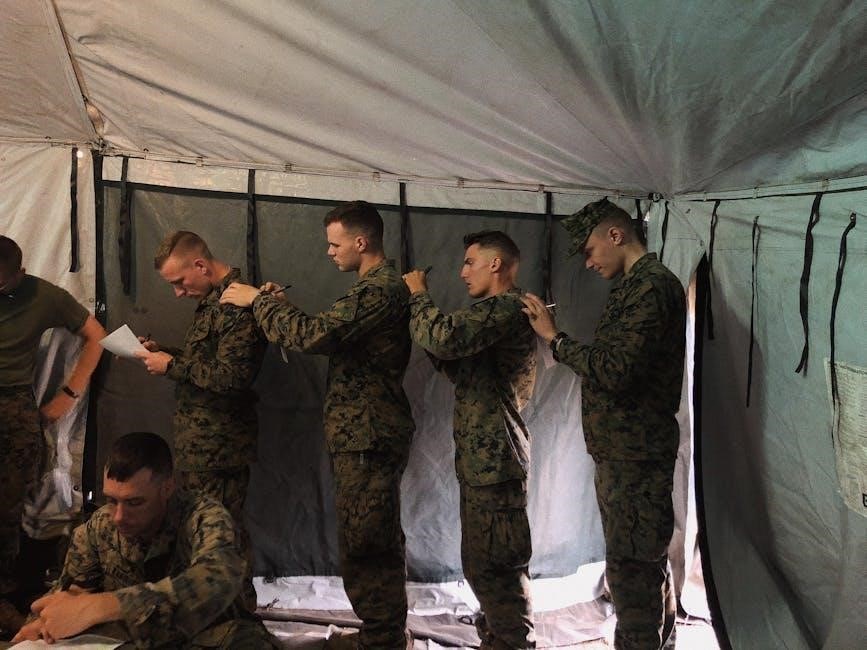
AS-3 marks a significant shift in focus, propelling cadets beyond Earth’s atmosphere and into the vast expanse of space. This junior-year course serves as an introductory exploration of astronomy, covering fundamental concepts like celestial mechanics, the life cycle of stars, and the formation of galaxies. Students will learn to identify constellations, understand planetary orbits, and appreciate the scale of the universe.
The curriculum doesn’t just focus on theoretical knowledge; it also examines the history of space exploration, highlighting pivotal missions and the technological advancements that made them possible. Cadets investigate the challenges of space travel, including the effects of microgravity and radiation exposure. AS-3 aims to inspire a sense of wonder about the cosmos and potentially cultivate future generations of space scientists and engineers, broadening their horizons beyond our planet.
AS-4: Space and the Solar System – Senior Year
AS-4, the culminating aerospace science course for seniors, delves deeper into the intricacies of our solar system and beyond. Building upon the foundation laid in previous AS courses, cadets explore the unique characteristics of each planet, examining their atmospheres, geological features, and potential for harboring life. The course extends beyond planets to encompass asteroids, comets, and other celestial bodies within our solar neighborhood.
A significant component of AS-4 involves studying current space missions and the latest discoveries in astronomical research. Cadets analyze data collected by space telescopes and probes, fostering critical thinking and scientific analysis skills. Furthermore, the curriculum touches upon the ethical considerations surrounding space exploration, including planetary protection and the potential for resource utilization. This course prepares cadets for informed discussions about the future of humanity in space.
Leadership Education (LE) Courses
Leadership Education (LE) forms a cornerstone of the AFJROTC program, systematically developing essential leadership skills across four years of study. These courses aren’t merely theoretical; they emphasize practical application, preparing cadets to excel in diverse roles. The LE curriculum progresses from foundational citizenship principles to advanced capstone leadership experiences;
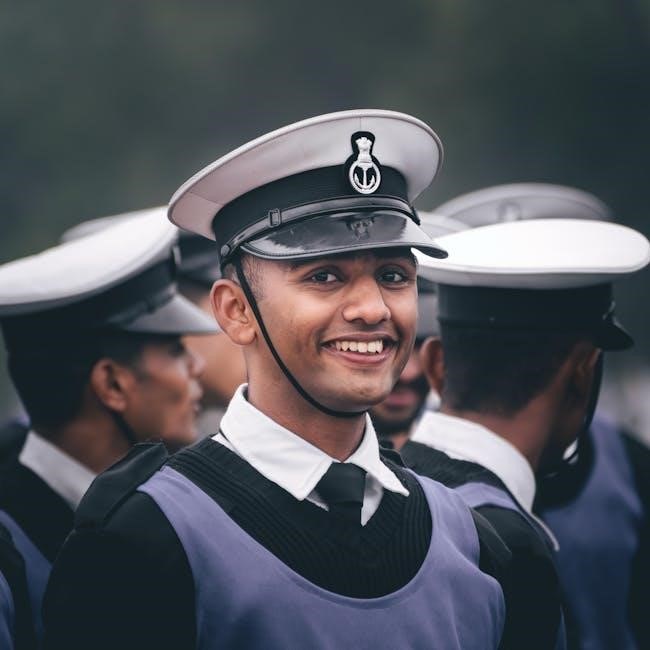
Throughout the LE sequence, cadets learn about leadership theory, effective communication, team dynamics, and conflict resolution. They participate in simulations, group projects, and practical exercises designed to hone their decision-making abilities and build confidence. Emphasis is placed on ethical leadership and the importance of character development. The ultimate goal is to cultivate responsible, resourceful, and resilient leaders prepared to serve their communities and nation.
LE-1: Foundations of Citizenship – Freshman Year
LE-1, the introductory Leadership Education course for freshman cadets, establishes a strong foundation in the principles of good citizenship. This course delves into the rights, responsibilities, and duties of American citizens, fostering a deeper understanding of civic engagement and democratic values. Cadets explore the U.S. Constitution, the Bill of Rights, and the structure of the federal government.
Furthermore, LE-1 emphasizes the importance of personal character, integrity, and respect for others. Students learn about the core values of the Air Force – Integrity First, Service Before Self, and Excellence In All We Do – and how these values translate into responsible citizenship. Through discussions, activities, and guest speakers, cadets develop a sense of civic pride and a commitment to contributing positively to their communities.
LE-2: Leadership Theory and Application – Sophomore Year
LE-2 builds upon the foundational citizenship principles of LE-1, shifting focus to the practical application of leadership theory. Sophomore cadets begin to analyze different leadership styles – autocratic, democratic, and laissez-faire – evaluating their strengths and weaknesses in various scenarios. The course emphasizes the importance of effective communication, problem-solving, and decision-making skills as crucial components of successful leadership.
Cadets engage in team-building exercises and simulations designed to challenge their leadership abilities and foster collaboration. They learn to identify and utilize the strengths of team members, delegate tasks effectively, and provide constructive feedback. Furthermore, LE-2 introduces concepts like followership, emphasizing that effective leadership requires both the ability to lead and the willingness to follow when appropriate. This course prepares cadets to take on more significant leadership roles within the AFJROTC corps.
LE-3: Team Leadership and Conflict Resolution – Junior Year
LE-3 delves into the complexities of team dynamics and the critical skill of conflict resolution. Junior cadets explore advanced leadership techniques, focusing on motivating and inspiring teams to achieve common goals. A significant portion of the curriculum is dedicated to understanding the sources of conflict – differing values, limited resources, and personality clashes – and learning strategies for constructive engagement.
Cadets practice mediation and negotiation skills through role-playing exercises and case studies. They learn to actively listen, empathize with opposing viewpoints, and facilitate collaborative problem-solving. Emphasis is placed on the importance of maintaining professionalism and respect during difficult conversations. LE-3 prepares cadets to effectively lead teams through challenges, resolve disputes peacefully, and foster a positive and productive team environment within the AFJROTC program and beyond.
LE-4: Capstone in Leadership – Senior Year
LE-4 represents the culmination of the Leadership Education portion of the AFJROTC curriculum, serving as a capstone experience for senior cadets. This course challenges students to synthesize all previously learned leadership principles and apply them to complex, real-world scenarios. Cadets take on significant leadership roles within the cadet corps, often serving as flight commanders or squadron commanders, providing them with practical, hands-on experience.
A core component of LE-4 is the development of a personal leadership philosophy. Cadets analyze their strengths and weaknesses, identify their core values, and articulate a vision for their future leadership endeavors. They also engage in critical self-reflection, evaluating their performance and seeking feedback from peers and instructors. This course aims to prepare cadets for success in college, careers, and civic life, equipping them with the confidence and skills to become effective and ethical leaders.

Key Components of the AFJROTC Program
AFJROTC integrates drill and ceremonies, a robust health and wellness program, and diverse cadet corps activities to foster well-rounded development.
Drill and Ceremonies
Drill and ceremonies are a cornerstone of the AFJROTC program, instilling discipline, precision, and teamwork among cadets. These activities aren’t merely about marching; they cultivate a sense of camaraderie and respect. Cadets learn proper military bearing, including saluting, formations, and marching techniques.

Participation in drill competitions, both armed and unarmed, provides opportunities to showcase skills and represent the unit with pride. The rigorous practice required for these events develops attention to detail, physical stamina, and the ability to perform under pressure. Furthermore, mastering drill movements reinforces leadership principles as cadets take on roles of responsibility, guiding and mentoring their peers.
Beyond competition, drill and ceremonies are integral to official events, parades, and color guard presentations, demonstrating the AFJROTC unit’s professionalism and commitment to excellence. These experiences build confidence and a strong sense of belonging.
Health and Wellness Program
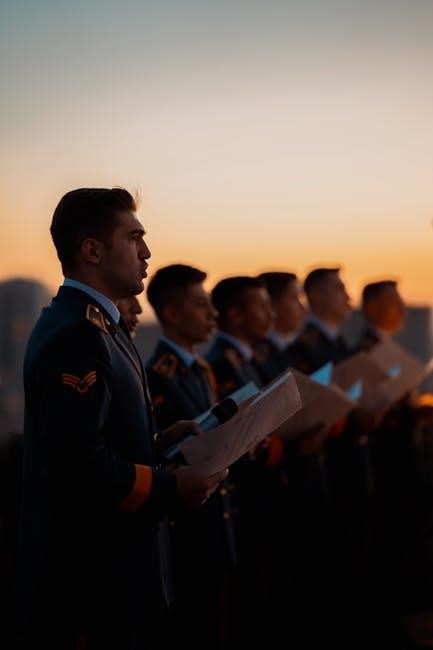
The AFJROTC Health and Wellness Program is a crucial component, focusing on developing cadets’ physical, mental, and emotional well-being. This program extends beyond traditional physical education, emphasizing a holistic approach to health. Cadets learn about proper nutrition, fitness principles, and the importance of maintaining a healthy lifestyle.
The curriculum incorporates education on substance abuse prevention, stress management techniques, and the dangers of risky behaviors. It aims to equip cadets with the knowledge and skills to make informed decisions regarding their health. Furthermore, the program promotes positive self-image and resilience, fostering a sense of responsibility for personal well-being.
Regular physical fitness assessments and activities encourage cadets to strive for personal improvement and maintain a consistent exercise routine, contributing to overall readiness and a healthy lifestyle.
Cadet Corps Activities and Opportunities
AFJROTC provides a wealth of extracurricular activities designed to enhance leadership skills, promote teamwork, and foster a sense of camaraderie among cadets. These opportunities extend beyond the classroom, offering practical application of learned concepts.
Cadets can participate in competitive events like drill competitions, color guard performances, and orientation flights, showcasing their precision and discipline. Community service projects are integral, instilling a commitment to civic responsibility and making a positive impact. Leadership roles within the cadet corps, such as squadron commanders and flight leaders, provide invaluable experience.
Furthermore, opportunities for field trips to military installations and aerospace facilities broaden cadets’ understanding of the Air Force and related fields. These activities cultivate character, build confidence, and prepare cadets for future success.